The search for the best PPF in San Diego is a shopping problem, not a trophy list. Coverage maps, paint prep, and the freeways you actually drive change the result more than a shop name on a roundup. Take a comparison framework into any independent bay, then book the written quote that matches how this car lives.
What best should mean for film work in San Diego
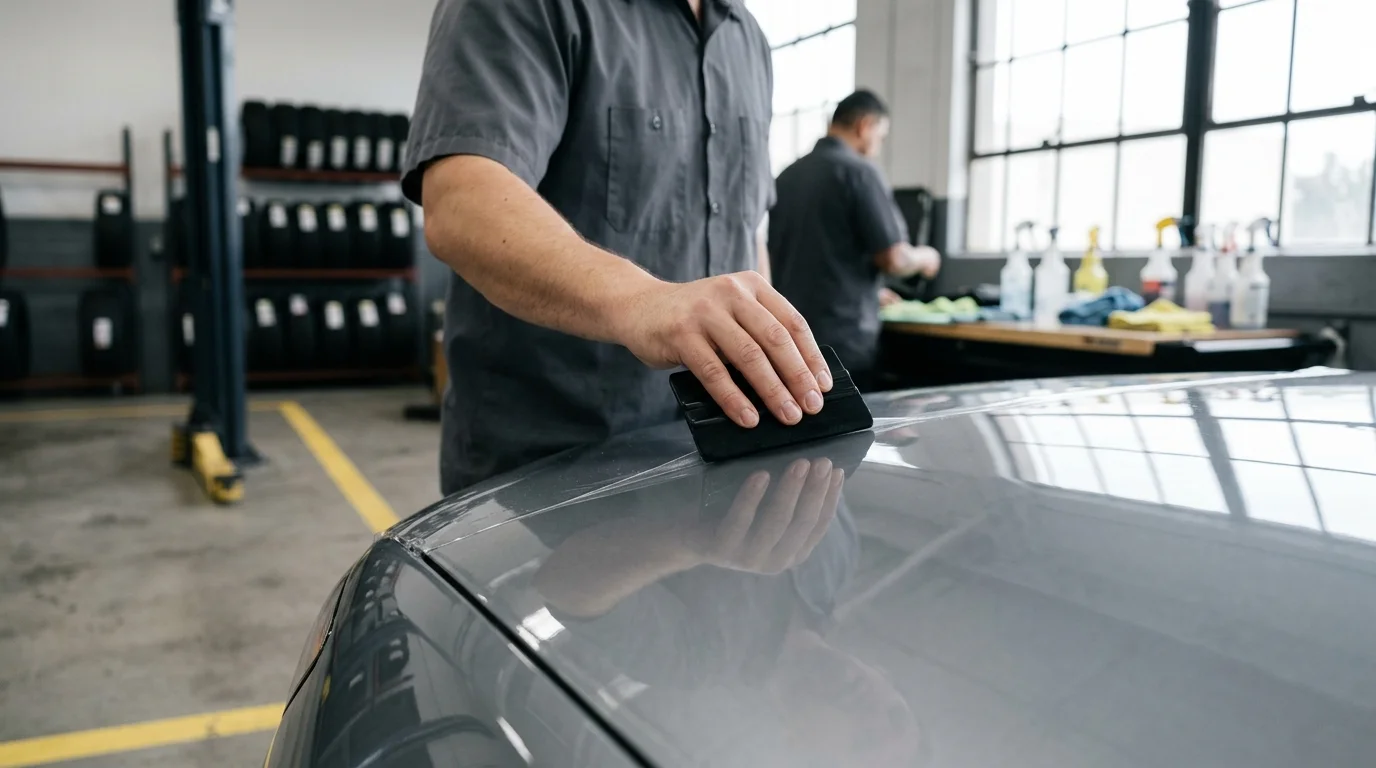
Paint protection film is a flexible thermoplastic film that sits on factory paint. It physically shields that paint from chips, scratches, and road debris. Some PPF uses urethane with a self-healing top coat for light surface scratches. That coat does not heal punctures, deep damage, or the paint underneath.
Best film work in this county is the match between coverage, prep, and how you drive. A Carlsbad hatchback that parks two blocks from the water lives a different life than a Rancho Bernardo SUV on I-15. A downtown sedan that crawls I-5 through the South Bay collects a different chip pattern than a Santee commuter on SR-52. Encinitas fog and salt are a different climate than El Cajon heat inland. A page that treats those cars as the same job is selling a label, not a plan.
The brand printed on a sample card is only one input. Owners often ask about 3M as a film family they already know. Independent pros install professional-grade film and quote the product tier they recommend for your panels. Paint Shield SD matches you with vetted, insured local installers. We do not install. You contract and pay the pro directly. Getting matched costs you nothing.
Shop lighting, dust control, and edge work change the result more than a name on a box. Two cars can leave with the same film family and look different six months later because one hood was corrected and one was not. Ceramic coating in San Diego is a separate liquid layer. Coating bonds chemically to paint and creates a hard, hydrophobic surface. It resists water, UV, and light chemical exposure. It does not absorb rock chip impacts. Many owners run both when the installer inspects the paint first. Failing clear coat or a prior respray is the risk case, which is why that inspection comes before film.
A vehicle manufacturer generally cannot void a warranty merely because an aftermarket product was used, absent a showing that the product caused the failure. That is the federal Magnuson-Moss Warranty Act, enforced by the FTC. Causation is fact-specific. Treat that as the rule, and ask your installer how they document the product on the car.
People searching best ppf installers in San Diego are usually trying to rank shops. Rank the plan first. Then compare the independent pros who can execute that plan in writing.
How coverage, prep, and shop conditions actually differ
Coverage is the first real fork. Partial front work usually means the bumper, a portion of the hood, mirrors, and the leading edge of the fenders. A full-front PPF package typically wraps the full hood, full fenders, bumper, mirrors, and headlights when those panels are in the quote. Full-body work covers the painted exterior as a package. High-impact zones still matter on every body style: bumper, hood, mirrors, and the leading face of the fenders. Rockers, A-pillars, and door edges are the extras owners forget until the first parking-lot nick.
Prep is the second fork. Existing wax or coating can interfere with film adhesion. The film installer specifies the prep, including whether a decontamination step or machine polish is safe on your clear coat. Paint correction can improve swirl marks, water spots, light scratches, and oxidation in the clear coat. The installer assesses the paint and quotes the safe stage before film goes down. Professional removal on healthy factory paint is the normal case. Previously resprayed panels and failing clear coat are the risk case. That is why the in-person look comes first.
Shop conditions are the third fork. Film wants a clean, well-lit bay, time to wrap edges, and a car that stays put while the film settles. Full-body PPF on a standard vehicle typically takes 3 to 5 days. Ceramic coating typically takes 1 to 2 days, with extra days when paint correction is included. Those are expectations. Your installer confirms the calendar in writing. Same-week scheduling is available for most services. The duration of the job is a different question from when a bay opens.
Install-scope shopping (where the film stops, how edges are wrapped, what happens around sensors and badges) lives in a separate comparison. Use what to compare on a San Diego clear-bra install for that pass. This page stays on the “best” decision: which coverage and which conditions fit this car in this county.
A “best ppf shop near me” search is a location query. Distance still matters for drop-off and pickup. Coverage, prep, and the bay still decide how the film looks a year later. Ask to see a coverage diagram on your exact body style, not a generic sedan sketch, if you drive a truck, a crossover, or an EV with a frunk seam.
Why I-15, I-5, and coastal parking change the choice
San Diego County is several driving climates stacked next to each other. The film package should follow the roads, not a county-wide default.
I-15 through Escondido, Rancho Bernardo, and Mira Mesa throws freeway debris at the front of the car at speed. Hoods, bumpers, and mirrors take that first. Owners who stack that commute every weekday often quote full-front coverage even when they skip the rear doors. I-5 along the coast adds a different mix: stop-and-go through the central city and South Bay, plus sand and salt when you peel off toward beaches from Oceanside down to Imperial Beach. SR-52 between East County and the coast is a chip corridor of its own, especially in the open stretches toward Santee and the 125.
Coastal parking changes the care story more than the impact story. Cars that sit in Encinitas, La Jolla, Pacific Beach, or Coronado pick up salt air and mineral spotting on film edges. Manufacturer care advice can discourage pressure and automatic washing because of edge lifting. Follow the product care sheet your installer hands you for soap, chemicals, and whether a touchless wash or a pH-neutral hand wash is listed. Inland East County parking in El Cajon or Alpine is a UV and heat story. Film still shields paint. The wash and water-spot habits still matter.
Not every car needs the same map. A leased hatchback that lives in a Mission Valley garage and takes the trolley more than the 15 can be a smart partial-front job. A daily truck that runs I-15 and parks at the beach on weekends is a different quote. Ask the installer to mark chip-prone panels on your actual commute, then price those panels as a package. Full-body film is the right answer when you want the doors, quarters, and rear bumper in the same written plan. It is a larger job and a longer bay stay.
If you already run coating, say so before film is cut. The installer decides the sequence and the prep. Coating over healthy film is a common ask. Film over a fresh coating is a different adhesion question, and the pro on the car has to answer it.
What a written quote and product terms should identify
Paint protection film in San Diego is typically quoted from $800 to $8,000, depending on vehicle size and how much of the car is covered. Your installer confirms the written price. That range is the approved market window on this site, not a promise for a specific hood or a specific film family. For what labor, film, and prep are doing inside a number, read what PPF prices include.
A usable quote names the car, the panels, and the product tier in plain words. It should show a coverage diagram, not only a package nickname. It should say whether headlights, mirrors, door edges, and rockers are in or out. It should state the prep: wash only, decontamination, or a quoted correction stage. It should say who owns the film warranty and that the installer confirms those terms in writing. Thickness in mils, year-length durability, and chip “guarantees” are manufacturer marketing unless they appear on the product sheet in your folder. Ask for that sheet. Skip any number a page invents.
The quote should also separate film from coating and from tint. Those are different products with different care sheets. Window film is a legal question in California, and it is easy to mix it into a PPF search. California Vehicle Code 26708 is the statute. Front side windows use an exception for clear, colorless, transparent material. The film itself must have a minimum visible light transmittance of 88 percent, and the glass with film applied must meet FMVSS 205’s 70 percent minimum. The driver must have a certificate from the installing company (or from the material manufacturer if the owner installed it). Side windows to the rear of the driver are exempt from the obstruction prohibition. That exemption is not a color free-for-all. A 35 percent shade is a darkness owners usually discuss for glass behind the driver. Confirm the current section text before you buy tint, and keep PPF quotes on paint.
Getting matched and getting the in-person vehicle assessment costs you nothing. You pay the installer you choose for the work. Same-week scheduling is available for most services. Leave a message if you call and you get a call back.
Questions to ask before you book an independent installer
Use this list in the bay, on the phone, or in email. Independent pros install. We refer.
Ask which panels are in the quote, and ask to see them on a diagram of your body style. Ask how edges are wrapped at the bumper, hood, and mirrors. Ask what the installer will do if they find failing clear coat or a prior respray. Ask whether existing wax or coating has to come off, and who decides that. Ask for the product name and the written warranty on that exact film, including what heat, washing, and edge lift do to coverage. Ask how they want the car washed after install, and whether brush tunnels are off the care sheet.
Ask how long the car stays, using the ranges above as a check, not a promise. Full-body film typically takes 3 to 5 days on a standard vehicle. Ask where the car sits overnight. Ask whether sensors, cameras, and badges are removed or filmed over, and who is responsible if a driver-assistance camera needs attention later.
For the person doing the work, keep the vetting pass on its own page. How to choose a coating installer in San Diego covers insurance, process, and how to read a shop without inventing certifications. This trade has no California contractor license, so “licensed PPF shop” is the wrong test. Vetted and insured is the wording that matches how referral works here.
Bring photos of the commute if that helps: I-15 gravel rash on a hood, I-5 bumper pitting, beach-parking water spots on a fender. A good independent installer will mark coverage against those photos. A weak quote repeats a package name and a brand family and stops there. 3M is a family owners already search. Your decision is still the coverage map, the prep, and the written terms on the car in front of you.
When two quotes disagree, compare panels and prep first. Price follows scope. The $800 to $8,000 window exists because a partial front on a compact and a full-body job on a large SUV are different films, different hours, and different risk. Your installer confirms the written price once the car has been seen.
When to call us
Book a professional Ceramic Coating and Paint Protection Film pro when you want a coverage map, paint inspection, and written product terms before film goes on a San Diego daily driver. Call us at (760) 400-6557 and we’ll connect you with a vetted, insured local pro.